Africa Christian Professionals Forum
African Consortium on Bibilical Sexuality
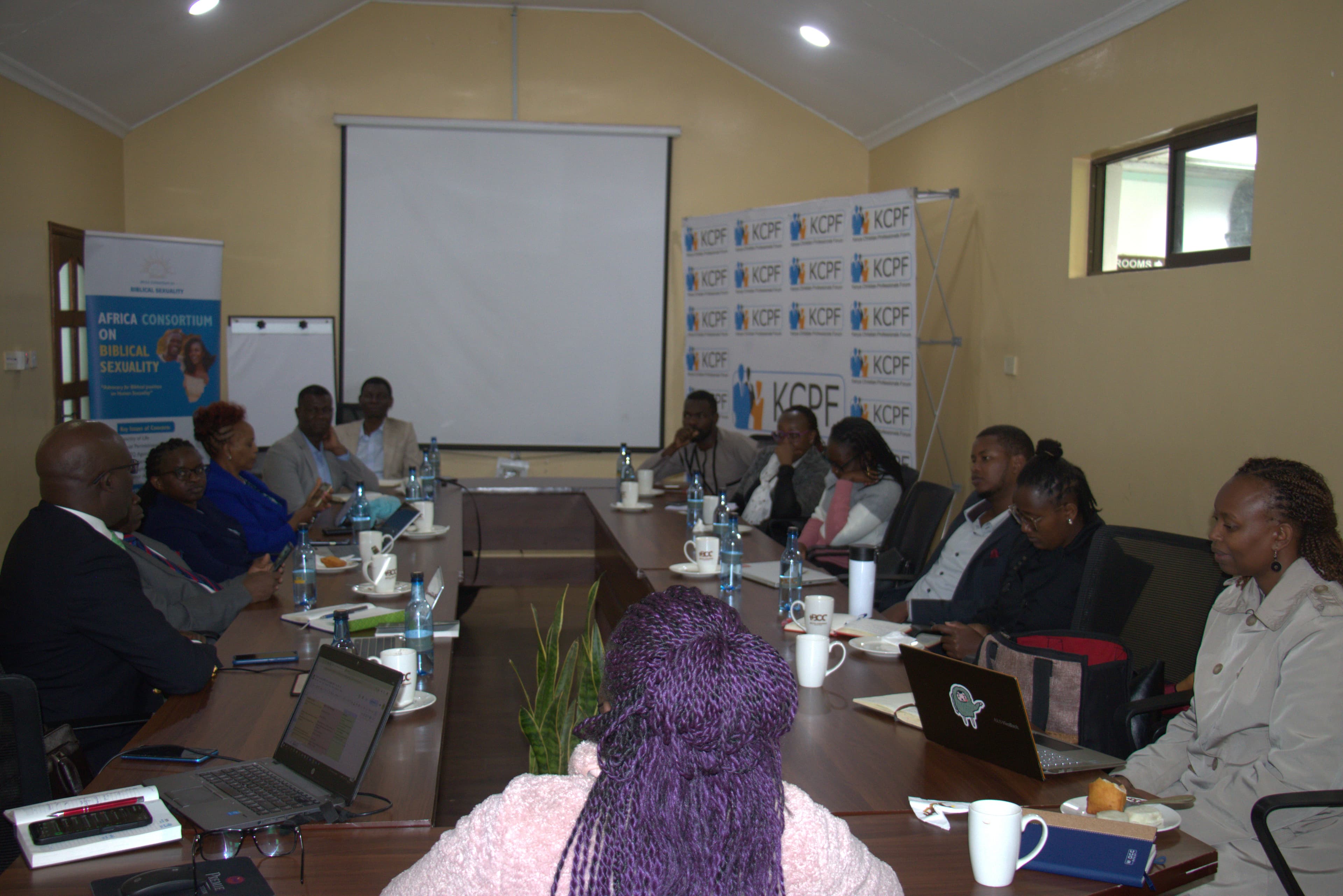
The primary objective of the Africa Consortium on Biblical Sexuality is to build a unified, coordinated platform that equips churches and parachurch organizations to address human sexuality from a biblical standpoint. Through collaborative action, the consortium seeks to map out existing responses, share family-centered models, and establish a cohesive front against emerging social and moral challenges across the continent.
Understanding the Challenge
Human sexuality is broader than physical acts; it encompasses interconnected biological, ethical, cultural, psychological, and spiritual dimensions that define human personhood. Current pushes to roll out Comprehensive Sexuality Education (CSE) present major concerns for faith communities because rights-based approaches often bypass traditional boundaries to introduce contemporary concepts around sexual orientation, gender identity, and sexual expression.
The Role
of the Church
The Church holds a distinct spiritual and moral responsibility to participate in public discourse and defend biblical teachings by engaging with culture, science, reason, and philosophy. Because Christian institutions have historically invested heavily in social sectors, running vast networks of schools, hospitals, and social safety nets, they possess the established infrastructure and public trust necessary to address moral issues and offer long-term, restorative support.
While human sexuality remains a traditional taboo, Western ideologies regarding sexuality and gender identity are increasingly entering African societies through internet access and mobile technology. Public response across the continent varies significantly, with low overall tolerance for homosexuality and strong socio-cultural resistance driven by traditional values and Christian beliefs. At the same time, increased smartphone adoption has fueled a "porn pandemic"—spanning thrill-seeking, commercial exploitation ("porn for cash"), and cyberbullying through revenge pornography. Regional responses have manifested legally through acts like Uganda's Anti-Homosexuality Act and Ghana's anti-LGBT+ bill, politically during election campaigns, and socially through religious discourse.
Overall tolerance for homosexuality across surveyed African nations averages 21%
An estimated 73 million abortions occur globally each year, with 45% classified as unsafe.
The regional rate stands at 33 per 1,000 women (aged 15–49), resulting in approximately 185 maternal deaths per 100,000 unsafe procedures.
Key Objectives
Raise awareness about the dangers of LGBTQ, pornography, CSE, and abortion to the family institution and society at large
Map out effective responses to these threats by the church and parachurch organizations
Provide a platform for sharing experiences and promote approaches that are family-centred to the subject of biblical human sexuality
Develop materials and resources that will facilitate the church, players, and actors in responding to the challenges related to biblical human sexuality
Advocate for a bible-based approach in addressing human sexuality in society
Build Capacity on Human Sexuality for various players & stakeholders
Build collaborative and strategic partnerships to support joint advocacy to address the challenges of human sexuality in society
Mobilize resources to support the advocacy on a Bible-based approach in addressing human sexuality in society

The Expected Outcomes
The work of this consortium is expected to foster a unified, biblically grounded approach among the church and society at large across Africa, in addressing contemporary challenges related to sexuality, family, and moral integrity. Through collective action, the consortium will strengthen the Church’s institutional and pastoral capacity to respond to issues such as LGBTQ ideologies, pornography, abortion, and Comprehensive Sexuality Education.
Enhanced public awareness of biblical principles on human sexuality

Development of biblical and contextually relevant teaching and advocacy materials

Improved collaboration among Christian institutions in defence of biblical family values
Greater policy influence in safeguarding the moral and social fabric of African societies
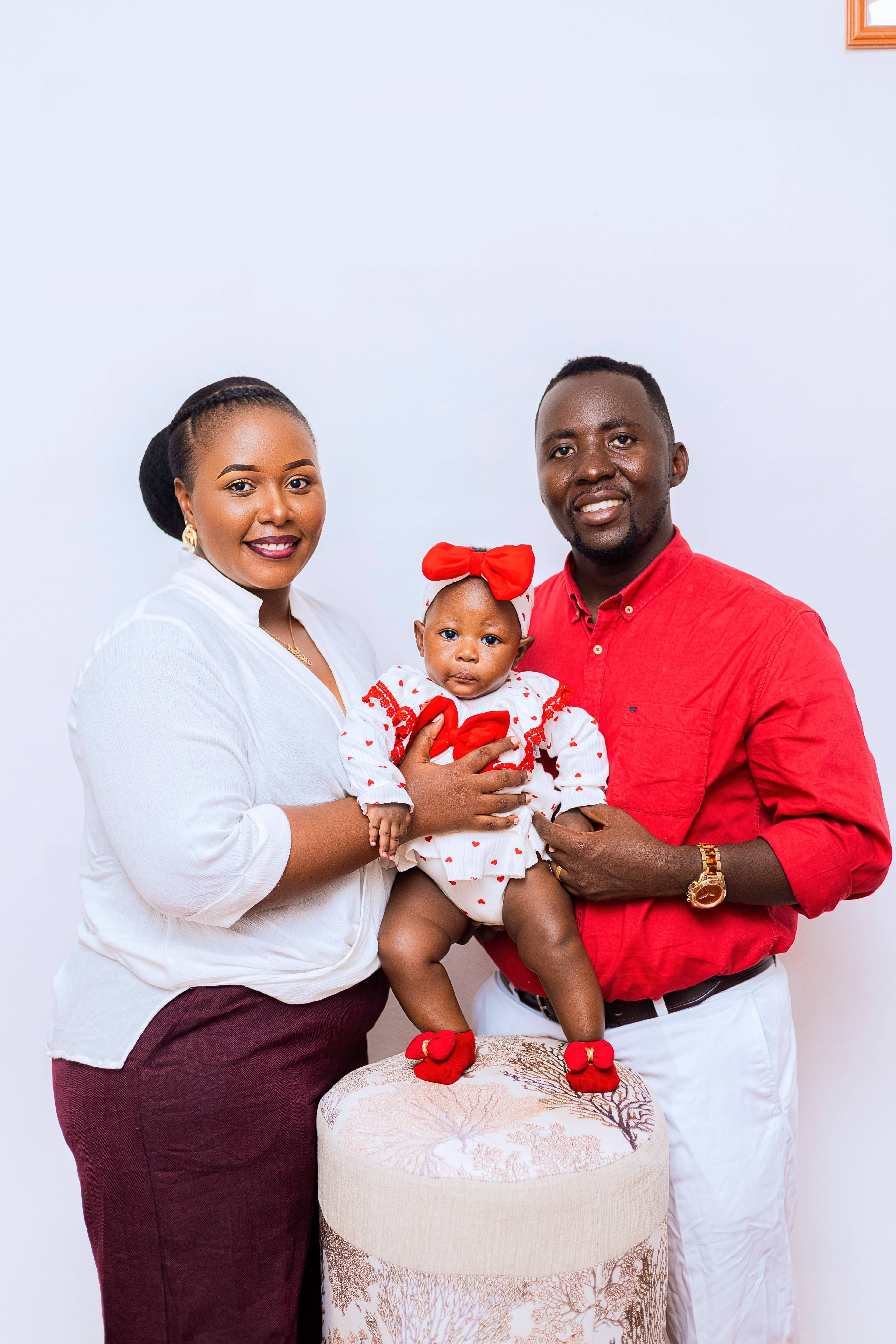
Restored centrality of the natural family that upholds biblical truth as the foundation for healthy and resilient communities